




Sports injuries, sports traumas are tissue damage or pathological damage to the human body under the influence of external or internal forces, during recreational or professional sports activities. Of special importance is the procedure of the athlete immediately after the injury. Although injuries in sports are by nature, usually minor, they can become a problem in relation to competitive ability, due to the mistaken belief that an injury can heal faster than natural processes allow. The athlete’s recovery after the injury must be complete, because there is a risk of re-injury, which is much more difficult in repeated cases.
Sports trauma can involve two completely different entities:
Sports injury
A change in the organism that occurs during training, competition in sports, physical exercise or recreation.
Sports damage
Pathological change caused by overexertion of the locomotor system during sports activities, which according to the manner of occurrence and duration of the change can be acute or chronic.
Tennis elbow
Of all sports injuries, elbow injuries account for 7 percent, which is not a negligible percentage. The most common, and at the same time the most famous injury, is the so-called tennis elbow (lat. lateral epicondylitis). It occurs as a consequence of long-term repetitions of the same movements and represents degenerative and inflammatory changes in the tendon tendons. These changes cause difficulty in bending and raising the arms, as well as difficulty holding, even light, objects in the hand. Pain and weakness appear on the outside of the elbow, descending to the area of the forearm and hand. The pain usually occurs gradually, depending on the severity of the injury, occurs during the activity, some time after the activity or is constant. When symptoms appear, it is necessary to rest the tendon and apply cryo-massage (cold compresses) several times a day, with the possible use of anti-inflammatory drugs, as well as the use of orthoses to relieve tendon tension. The injury often turns into a chronic stage (often treated for weeks, months), so when the first symptoms appear, it is necessary to consult a doctor, in order to conduct physical therapy (magnet, laser, ultrasound, electrotherapy), and at a later stage, kinesitherapy. Good prevention can be avoiding long-term repetitions of movements, strengthening the muscles of the forearm, applying an orthosis, etc.
Rotator cuff injuries
Shoulder pain is most often a rotator cuff injury. These are four muscles that strengthen the shoulder joint and provide stability when performing movements (lifting and rotating the arm). In case of injury, there is stretching, inflammation, partial or total rupture of the soft tissue. It mainly occurs in sports in which there are frequent repetitions and hand movements above shoulder level, as well as lifting heavy weights. It occurs due to instability and weakness of the shoulder girdle muscles. The pain occurs in the front part of the shoulder and intensifies when raising the arm (up and to the side) with or without load. There is weakness of the arm and an increase in pain during the night. It is diagnosed by ultrasound examination. When pain occurs, it is necessary to stop all activities, rest with the use of ice (cold packs) three times a day. Early treatment, the application of physical therapy and in the later phase of kinesitherapy, prevents the worsening of the symptoms and the transition to the hepatic stage. The application of physical therapy (interference currents, tens, laser, magnet) reduces pain and inflammation, which is a condition for the continuation of the rehabilitation program with the application of kinesitherapy. The exercise program includes stretching and strengthening the shoulder muscles in order to get the full range of motion and strengthening the muscles as a prevention of recurrence of the injury.
Lower leg pain – running lower leg
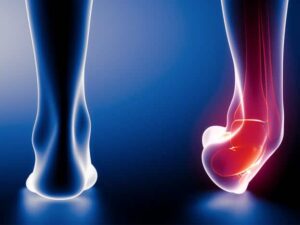
Pain that occurs in the lower leg area is known as shin splints syndrome. It belongs to the group of injuries caused by overloading the bones, muscles and joints of the lower extremities. It is closely related to sports with running and jumping (recreational running, athletics, tennis, basketball, football …). It can occur as a consequence of a sudden increase in physical activity, inadequate padding, inadequate footwear, running uphill, raised arches of the feet, weakness of the foot muscles, as well as insufficient flexibility of the lower leg muscles. It occurs during or after physical activity with a tendency to mild (mild to moderate pain can last for hours) after cessation of activity.
Patelofemoral syndrome
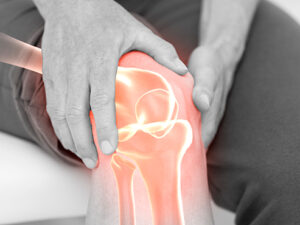
Patelofemoral syndrome or so-called racing knee, occurs due to excessive friction of the patella. The consequence is a change in the sliding angle of the patella, caused by weakened muscles of the anterior thigh (quadriceps) and insufficient flexibility of the posterior thigh (hamstrings). It is more common in younger female recreationists. The pain is usually sudden and intense, and occurs in the patella drawer, rarely on the back of the knee. It increases during activities, especially due to long walks, climbing, as well as descending stairs. Unpleasant cracking (crepitations) in the knee joint as well as swelling are also possible. By applying cryotherapy several times a day, we reduce pain, swelling, and with adequate application of physical therapy, most patients successfully recover within a few weeks. In the chronic phase, the pain is more reminiscent of dull pain and usually disappears during running.
Treatment
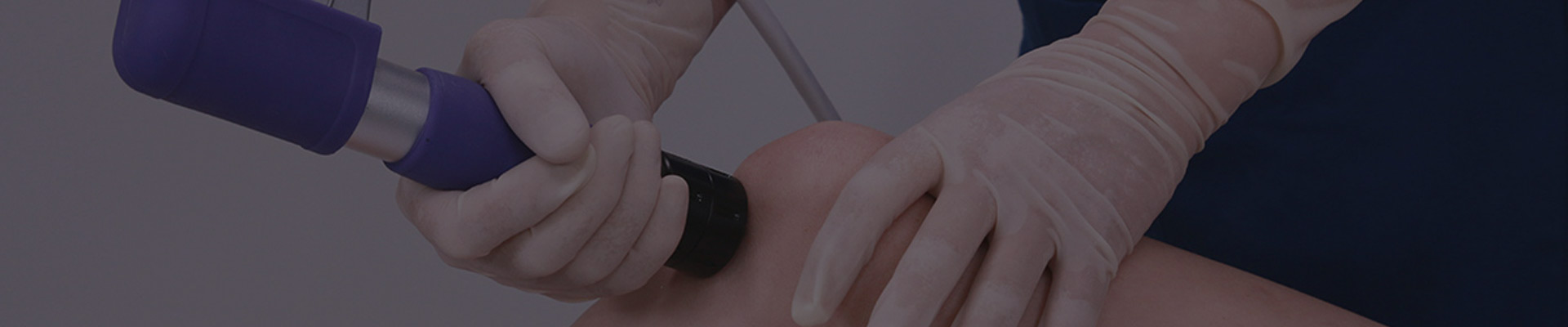
In addition to medical treatment, physical and kinesitherapy are also used. In addition to the classic physical therapy, we also use magnetic therapy in the form of a deeply penetrating electromagnetic stimulator Talent, as well as treatment with modern methods in the form of radiowave INDIBA activ cell therapy for soft tissue injuries.
For more information you can contact the contact phone: 037-31-00-156 or 062 442 020 Ambulance Fizio Aktiv.